
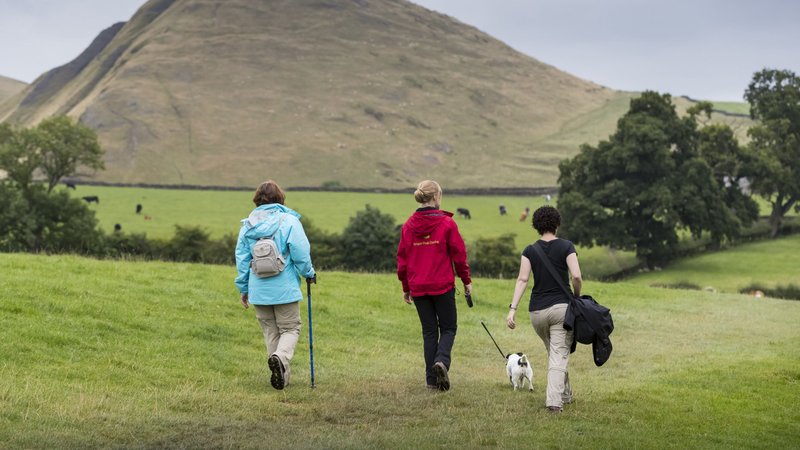
When a raid drags on for three hours, the same player will sprint up a hill in half an hour and still feel that rush of adrenaline. The only difference is that the terrain isn’t generated by a graphics card—it’s tangible, and every step has a consequence. For a gamer used to virtual loot, stumbling upon a 12‑mile trail that ends at a hidden waterfall feels just like unlocking a secret level.
1. Geocaching in the Scottish Highlands
The Highlands are home to more than 1,200 active caches, ranging from simple logbooks to waterproof containers that demand a brief rock‑climb. A typical hunt begins at the trailhead near Fort William, where GPS coordinates point you toward a cairn at 1,250 ft. The cache itself hides beneath a moss‑covered stone, and the reward is a custom‑minted metal token. Most caches are restocked monthly, keeping the experience fresh.
2. Nighttime Orienteering in the Black Forest
Orienteering blends map reading with sprint intervals, and the Black Forest’s 10‑kilometer night course pushes both skills to the limit. Participants receive a 1:25,000 map at dusk and must navigate to five checkpoints using only a compass and a headlamp. The final checkpoint sits atop an old forester’s tower, offering a panoramic view of the forest lights—a real‑world achievement screen.
3. Survival Skills Workshop on New Zealand’s South Island
At the Fox Glacier base camp, a three‑day program teaches fire‑starting, shelter building and foraging. Day one ends with a two‑hour hike to a glacier‑fed lake, where you pitch a tarp shelter before nightfall. The instructor grades each group on speed and ingenuity, much like a multiplayer ranking system. Graduates leave with a waterproof badge that doubles as a souvenir and proof of skill.
4. Urban Escape Rooms in Tokyo’s Shibuya
Tokyo’s escape rooms are merging physical and digital puzzles. The “Neon Samurai” scenario drops a team of four into a back‑alley maze packed with RFID tags, QR codes and a live‑streamed countdown. Solving the final puzzle unlocks a hidden rooftop garden where participants can watch the city’s neon pulse. The average completion time is 58 minutes, and the room’s difficulty scales with the number of players.
5. Trail Running with AR Overlays in Colorado
Colorado’s Rocky Mountain National Park now offers an augmented‑reality trail‑run app that plants virtual checkpoints along the 8‑mile Bear Lake loop. As you run, the app projects a glowing portal on your phone screen; reaching it triggers a short audio narrative about the area’s geology. The whole loop can be finished in under an hour, but the AR challenges add a strategic layer reminiscent of a timed quest.
Connecting the Dots: From Real‑World Quests to Digital Fun
All these adventures share a common thread: they turn ordinary landscapes into interactive playgrounds. If you love hunting for hidden treasures or solving puzzles on the move, you’ll likely enjoy the quick‑fire excitement of online gaming. A brief session at PeakBet casino can provide that same burst of focus between hikes.
Planning Your Adventure Weekend
Start by matching the activity to your skill level. Geocaching needs only a smartphone and a basic sense of direction, while survival workshops demand physical stamina and a willingness to get dirty. Book accommodations early—many popular sites, like the Fox Glacier camp, fill up weeks in advance. Pack light but smart: a compact water filter, a multi‑tool and a portable power bank keep you prepared without weighing you down.
Final Thoughts
Gaming isn’t confined to a screen; it thrives wherever challenges exist. Whether you’re chasing a cache in the misty Highlands or sprinting through a night‑lit forest, the satisfaction of a completed quest feels identical. The world is full of levels waiting to be unlocked—just step outside and play.
Frequently Asked Questions
How does outdoor play enhance a gamer’s skills?
It improves hand‑eye coordination, spatial awareness, and strategic thinking through real‑world navigation and challenges.
What outdoor activities are most appealing to gamers?
Geocaching, trail running, parkour, and treasure‑hunt style hikes mimic quest mechanics and provide tangible rewards.