
The Truth About Online Gambling: Risks, Realities, and Responsible Play
Imagine sitting at your kitchen table, placing a wager on a live football match from your phone while the game unfolds on your laptop. Online gambling lets you bet on sports, casino games, poker, or slots through a website or app, where your money is converted into digital credits and your wins or losses update in real time. The core benefit is instant access to a wide range of betting options, letting you play whenever you want without traveling to a physical venue, and you can easily deposit or withdraw funds using cards, e-wallets, or cryptocurrencies. To start, you simply create an account, add funds, choose a game or event, and confirm your stake—with outcomes determined by random number generators or live event results. Convenience and immediate play are the main draws, but always set a budget before you begin.
Understanding the Basics of Digital Betting
Before you place a single wager, you must grasp that digital betting is simply predicting an outcome and staking money on that prediction within an online platform. The core loop involves selecting an event, reviewing the offered odds—which mathematically reflect the implied probability—and then confirming your stake. Odds formats differ across sites; decimal odds multiply your stake by the number shown, while fractional odds display profit relative to your bet, so always check which format you’re viewing. Crucially, your available balance is separate from any locked-in wager, and withdrawable funds only exist after a bet settles and wins. Understanding that each bet carries a built-in house edge—the small percentage the platform keeps—means you’re never playing at true 50/50, even on coin-flip style markets. Recognizing this dynamic is the first step to treating digital betting as calculated risk, not pure chance.
What Exactly Is an Online Casino and How Does It Work?
An online casino is a digital platform that replicates traditional gambling, letting you wager real money through a web browser or app. At its core, it works by using a Random Number Generator (RNG) to ensure every spin, card deal, or dice roll is completely random and fair, mimicking the odds of a physical venue. You first deposit funds via cards or e-wallets, then select a game like slots, blackjack, or roulette. These games stream live dealers or use software, with your winnings instantly credited to your balance. Real-money play hinges on secure encryption that guards transactions and personal data, while payouts are processed directly back to your chosen method.
An online casino is a virtual gambling hub where you stake cash on RNG-driven or live-dealer games, depositing and withdrawing funds digitally.
Key Differences Between Virtual Betting and Visiting a Physical Venue
The most immediate shift is **the atmosphere of virtual betting versus a physical venue**—you trade the buzz, lights, and social pressure of a casino floor for total solitude and instant access from your couch. In person, you handle cash, wait for a table, and feel the dealer’s rhythm; online, you click a button, and the outcome appears in seconds, making the pace much faster. A physical visit forces you to travel, dress, and commit hours, while digital betting lets you wager in pajamas at 3 AM, then close the laptop. Crucially, you can pause, multi-task, or walk away instantly online, whereas a venue’s live action keeps you anchored to the felt until a hand or spin concludes.
Common Terms You’ll Encounter When Wagering from Your Device
When you’re wagering from your device, you’ll quickly bump into terms that seem cryptic but are simple once you know them. Common terms you’ll encounter when wagering from your device include “odds” (the probability of a win, shown as decimals or fractions), “stake” (the amount you put in), and “payout” (what you get back if you win). You’ll also see “cash out,” which lets you settle a bet early for a smaller return, and “parlay,” a single bet linking multiple selections—all must win. Here’s the usual flow:
- Check the odds and your potential payout before confirming.
- Enter your stake, then review the button (often “Place Bet”).
- Tap “confirm” and monitor your bet slip for live updates.
Finally, “vig” (or juice) is the house’s cut baked into odds—know it so you’re never surprised by your final return.

How to Get Started with Real-Money Play
To begin real-money play, first choose a licensed casino site and complete identity verification—this takes under ten minutes. Next, make a modest deposit using e-wallets or cards, then claim a matched bonus to extend your bankroll. Set a strict loss limit before your first spin or hand, and start with low-stakes games like blackjack or slots to learn the interface. Master one game before scaling your bets. Q: What is the fastest way to start? A: Deposit $20, activate a 100% bonus, and play a single slot session at $0.50 per spin. This builds confidence while preserving capital. Always withdraw your initial deposit after hitting a small win—this locks in profit and secures your bankroll.
Creating Your Player Account: Step-by-Step Setup Process
To begin real-money play, first locate the prominent “Register” or “Join Now” button, typically in the site’s top-right corner. You will then submit a valid email address and create a unique username alongside a strong password, ensuring it meets the platform’s minimum character requirements. Next, the casino will prompt you to enter your full legal name, date of birth, and residential address, all of which must precisely match your government-issued ID to avoid future withdrawal delays. After completing the form, you must verify your account by clicking the confirmation link sent to your email or entering a one-time SMS code. Finally, log in and navigate to the cashier section to make your initial deposit, which unlocks access to real-money games and any welcome bonuses. Creating your player account typically takes under five minutes, but accurate data entry is critical for compliance.
Funding Your Balance: Deposit Methods and How to Use Them
To get playing for real money, you first need to fund your balance, which is easier than you think. Most sites let you **choose a deposit method** that fits your lifestyle—credit cards, e-wallets like PayPal or Skrill, prepaid cards, or even crypto. Simply head to the cashier section, pick your method, and enter the amount. Each option has its own minimum and processing speed, so check those before confirming. Here’s the typical flow:
- Open the cashier and select “Deposit.”
- Pick your payment method and input your details.
- Enter the amount, apply any bonus code, and hit submit.
The funds usually land instantly, so you can jump straight into a game without delay.
Claiming Welcome Bonuses and Free Spins for New Players

Jumping into real-money play usually starts with snagging a welcome bonus or a batch of free spins, so make sure you read the wagering requirements before you click “claim.” Most casinos will match your first deposit up to a set amount, but you’ll need to play through that cash a certain number of times before withdrawing winnings. Free spins are often tied to a specific slot, so check which games qualify and whether there’s a max win cap on those spins. To actually benefit, compare bonus terms across sites—look for low turnover rates, reasonable time limits, and no sneaky fees on deposits.
Welcome bonuses and free spins are only worth it when you understand the playthrough conditions, eligible games, and withdrawal caps upfront.
Exploring Game Varieties and Their Mechanics
Exploring game varieties in online gambling reveals that each title’s mechanics dictate your strategic approach. Slot volatility determines risk frequency, while RTP percentages signal long-term theoretical returns, so matching these to your bankroll is crucial. Table games like blackjack reward basic strategy exploitation of deck composition, whereas roulette’s fixed odds demand stake management across inside or outside bets. Live dealer variants layer real-time decision pressure onto the same core rules, but require faster adaptation. Progressive jackpot slots often sacrifice base-game payouts for a tiny chance at life-changing wins, so always read the paytable before spinning. Meanwhile, video poker blends slot simplicity with poker hand rankings, where correct discard choices shift the house edge significantly. Understanding these mechanical differences lets you select games where skill or patience gives you the most control, rather than relying on pure chance.
Slot Machines: Features, Paylines, and Bonus Rounds Explained
Understanding slot machine mechanics starts with paylines—the fixed or adjustable lines where winning symbol combos must land. Modern slots often feature 20 to 243 ways to win, replacing classic single-line setups. Bonus rounds trigger when three or more scatter symbols appear, unlocking free spins, pick-and-click games, or wheel spins. Look for features like wilds that substitute for other symbols, multipliers that boost payouts, and cascading reels that replace winning symbols with new ones. Volatility dictates how often you win and payout size, helping you choose between frequent small wins or rare jackpots. Always check the paytable before spinning to understand symbol values and special triggers.
Master paylines, spot scatter triggers, and weigh volatility—the three pillars of slot machine gameplay.
Table Games: Rules for Blackjack, Roulette, and Poker Online
Jumping into online table games means getting cozy with each game’s core rules. In blackjack, you aim to beat the dealer’s hand without exceeding 21, with options to hit, stand, double down, or split pairs—and knowing when to stand on 17 is your bread and butter. Roulette is simpler: you bet on a number, color, or section, then watch the wheel spin; the house edge hinges on whether you pick European (single zero) or American (double zero) variants. Online poker, whether Texas Hold’em or Omaha, revolves around hand rankings, betting rounds, and reading opponent timing—bluffing works differently when you can’t see faces. *The key is that each table game has its own rhythm, and mastering the rules before wagering real money saves you from costly rookie mistakes.*
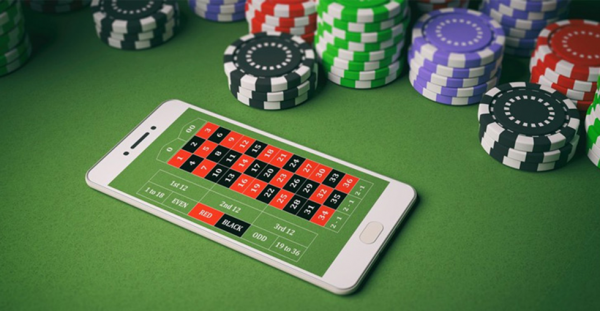
Mastering table game rules online directly impacts your bankroll longevity and enjoyment, so test free-play modes first.
Q: What’s the biggest rule difference between online blackjack and online poker?
A: In blackjack, you’re playing against the dealer’s fixed hand, not other players, toronto wolf pack whereas poker pits you against fellow bettors—so your strategy shifts from card counting to hand-reading and table position.
Live Dealer Sessions: Interacting with Real Croupiers in Real Time
Live dealer sessions bridge the gap between virtual play and land-based casinos by streaming real croupiers directly to your screen, letting you watch every shuffle and spin as it happens. You can chat with the dealer through a live interface, asking for a card or simply making small talk, which adds a social layer absent from standard RNG games. Betting windows appear on your device, so you place wagers while the physical action unfolds, creating a seamless, adrenaline-fueled rhythm. This format suits blackjack, roulette, and baccarat best, where human decisions and real-time pace matter. **Interacting with real croupiers in real time** builds trust, as you see actual cards and wheels, making each win feel earned and authentic.
- Use the live chat function to clarify rules or request a slower deal pace for beginners.
- Choose tables with lower minimum bets to practice real-time decision-making without high stakes.
- Watch dealer hand movements and card angles to verify fair play and stay engaged.
- Position your device near a stable connection to avoid lag during critical betting windows.
Essential Strategies for Maximizing Your Experience
To truly maximize your online gambling experience, treat your bankroll as a stake, not a salary—set a strict session limit and walk away once it’s gone, never chasing losses. Prioritize games with lower house edges, like blackjack or video poker, and master basic strategy before wagering real money; this shifts the odds subtly in your favor. Leverage loyalty programs and reload bonuses strategically, but always read the wagering requirements to avoid trapping your winnings. **Short Q&A: What’s the single most effective tactic?** Pause after every third win and bank half that profit immediately—this builds a psychological buffer and keeps your gameplay controlled. Finally, rotate between two trusted platforms to compare payout speeds and game variance, ensuring you’re always playing where your style thrives. Discipline isn’t restrictive; it’s the engine of sustained, enjoyable play.
Setting a Budget and Practicing Responsible Wagering

Establishing a firm financial ceiling before you log in is the cornerstone of responsible wagering practices. Treat your online gambling stake as a fixed entertainment expense, never as a potential income stream, and divide it into daily or weekly slices you can afford to lose outright. Use the platform’s deposit limits or cool-off tools to enforce this cap automatically, removing the temptation to chase losses in the heat of the moment. Track every wager against your predetermined number, and stop immediately when the balance hits zero—this discipline preserves both your bankroll and your enjoyment over the long term.
- Allocate only disposable income—never rent, bills, or savings—to your gambling session.
- Set a hard loss limit per session and walk away once it is reached, regardless of outcome.
- Use reality checks or time alerts to monitor how much you have wagered versus your original budget.
Using Odds and Payout Percentages to Pick Better Games
To maximize returns, decode the **RTP (Return to Player) percentage** before committing funds—it reflects theoretical long-term payouts, with slots often ranging from 92% to 98%. Prioritize games above 96% RTP, but pair this with volatility: high-volatility titles pay larger sums less frequently, while low-volatility options sustain bankrolls. For table games, compare house edges—blackjack’s 0.5% edge beats roulette’s 5.26% on a double-zero wheel. Always check the specific game’s paytable for multiplier caps, as advertised odds sometimes exclude jackpot contributions. Selecting high-RTP and low-house-edge games directly shifts the probability curve in your favor. Ignore bonus-driven picks; instead, use free-play modes to verify actual payout frequency.
Q: Why should I avoid games with unclear payout percentages?
A: Unclear percentages often mask higher house edges, quietly eroding your bankroll per spin or hand—transparent RTP lets you calculate expected loss per hour precisely.
Leveraging Loyalty Programs and Tournament Opportunities
To get the most from your play, never ignore the rewards sitting in your account. Maximizing loyalty program value means checking for tier upgrades, cashback offers, and points multipliers before you wager—these perks often fund extra sessions for free. Pair that with tournament opportunities, where low buy-ins can lead to big prize pools; even finishing mid-table usually pays better than standard bets. Always read the qualifying games and wagering requirements first, then schedule your play around happy hours or leaderboard sprints.
- Set a monthly points goal to unlock the next VIP tier faster.
- Enter freeroll tournaments to test strategies without risking cash.
- Stack loyalty points with tournament entries when both are active.
Solving Common Problems and Safety Concerns
When the roulette wheel froze mid-spin and my balance vanished, I learned that most online gambling issues aren’t about luck—they’re about protocol. The first fix is always the same: screenshot everything, then contact live chat before touching your account. For safety, never share your one-time passcode, even with “support,” because a genuine agent will never ask for it. I once panicked over a denied withdrawal, only to realize my payment method’s name didn’t match my profile—a simple edit solved it. If you’re locked out after a password reset, always check your spam folder first, not your browser history. Q: “My game keeps crashing mid-bet—what do I do?” A: Clear your cache, switch to a wired connection, and never wager during a storm. Most losses from “glitches” are actually connection drops, so verify your session ID before assuming foul play.
How to Withdraw Your Winnings Quickly and Without Hassle
To get your cash fast, always verify your account *before* requesting a payout. Upload ID and proof of address right after signing up, so there’s no last-minute hold. Choose e-wallets like Skrill or PayPal—they process within hours, while bank transfers can take days. Check the cashier’s minimum and maximum limits, and read the fee table so you don’t lose a chunk. Avoid bonuses with high wagering if you want immediate access; clean, “real money” balances are the quickest. Finally, contact live chat during business hours if a withdrawal stalls. This is the core of a hassle-free withdrawal strategy—confirm details upfront, pick fast methods, and keep paperwork ready.
What to Do If a Game Freezes or a Payment Fails
If a game freezes mid-spin, don’t smash your keyboard. First, screenshot the exact screen—this captures your bet amount and time—then reload the page. Most operators auto-restore unsettled rounds within minutes, so check your bet history before contacting support. For a failed payment during a deposit, verify your card wasn’t charged; if it was, the funds usually return in 3–5 business days. Never re-submit the payment immediately, as that can trigger duplicate charges. Instead, wait 10 minutes, try a different payment method, or contact live chat with the transaction ID. If a withdrawal freezes, confirm your ID verification is complete—that’s the most common blocker.
Protecting Your Personal Data and Keeping Play Secure
When you gamble online, safeguarding your personal data is as critical as managing your bankroll. Start by creating a unique, complex password for your casino account—never reuse one from social media or email. Enable two-factor authentication to block unauthorized logins, a simple step that drastically reduces risk. Always connect through a private, encrypted Wi-Fi network instead of public hotspots, which are hunting grounds for interceptors. Before entering payment details, confirm the site uses SSL encryption by checking for the padlock icon in your browser. Finally, regularly review your account activity for unfamiliar transactions, then report discrepancies instantly. Vigilance turns your profile into a fortress, letting you play with peace of mind. Secure sessions make every spin safer.